
Sleeping upright on a plane without wrecking your neck

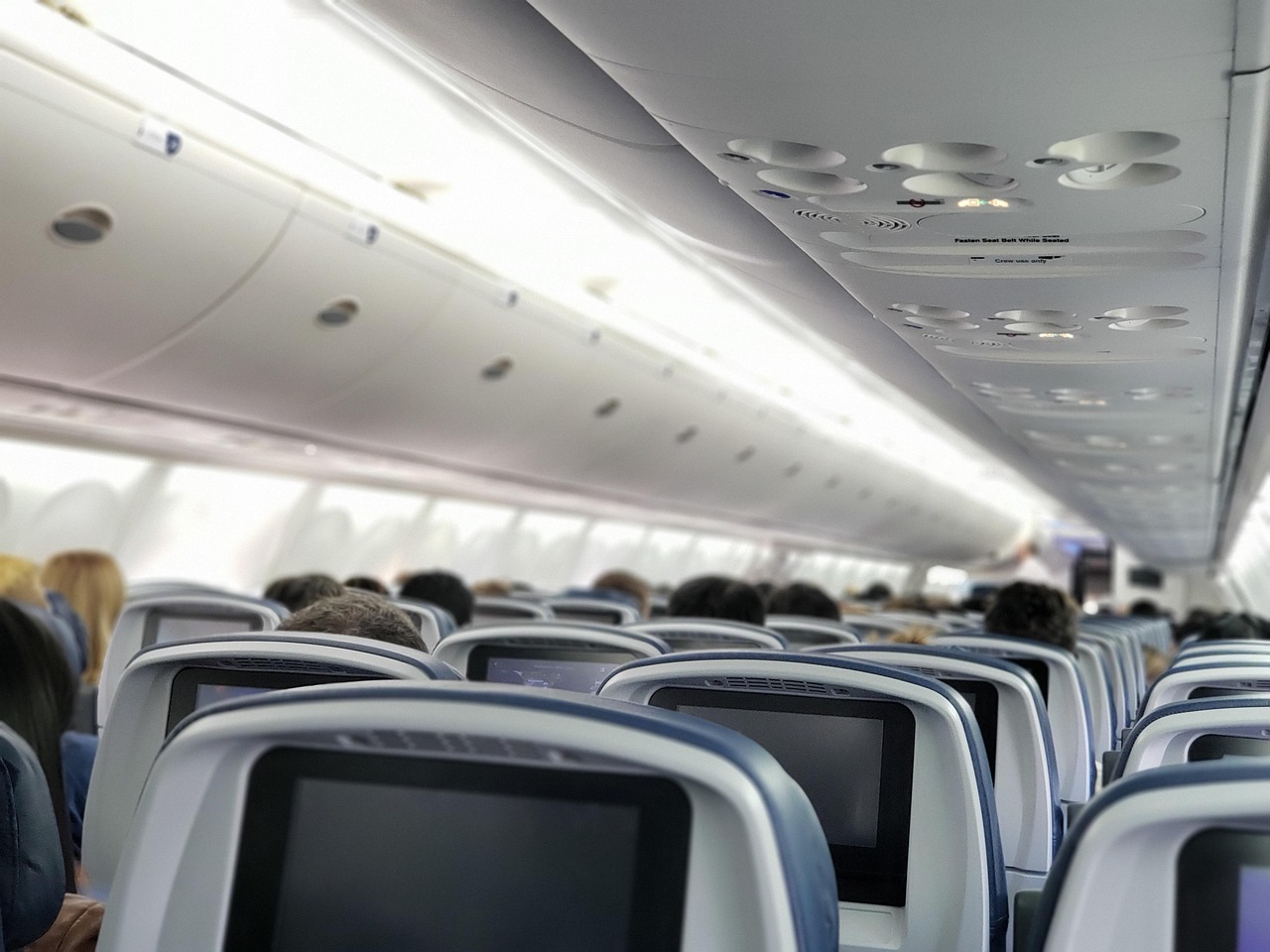
Traveling by plane often means dealing with cramped seating and limited space, which can make achieving a comfortable sleep quite challenging. One of the most common issues travelers face is the tendency for their heads to fall sideways while trying to rest. Understanding the causes of this phenomenon can help you choose the right accessories and seat adjustments to support a better experience in the air.
Factors such as collar depth, headrest straps, and the choice of seat play significant roles in how well you can maintain a comfortable position while sleeping upright. By addressing these elements, you can enhance your travel comfort and arrive at your destination feeling more rested.
The Mechanics of Neck Support
When you sleep upright, the neck’s alignment is crucial for comfort. The head tends to fall sideways due to the lack of adequate support. A well-designed neck pillow can help fill the gap between your head and the seat, providing the necessary support to keep your neck in a neutral position. This alignment prevents strain and discomfort during your flight.
Choosing a neck pillow that contours to the shape of your neck can make a significant difference. Pillows with a memory foam or ergonomic design adapt to your body’s curves, offering better support than traditional, flat options. This can help you maintain a more natural head position throughout your journey.
Understanding Collar Depth
The depth of your collar can influence how your head rests against the seat back. A deeper collar may push your head forward, making it more likely to fall sideways. On the other hand, a shallower collar may allow for better alignment. When selecting clothing for your flight, consider wearing shirts or jackets that have a collar depth that promotes comfort and ease of movement.
Layering can also be beneficial. Using a lightweight scarf or a travel blanket can provide additional cushioning and adjust the height of your collar, helping to prevent your head from leaning too far to one side. These small adjustments can lead to a more restful flight experience.
Headrest Straps: An Overlooked Feature
Many airplane seats come equipped with adjustable headrests that can play a crucial role in maintaining neck support. If your seat has headrest straps, take advantage of them. Adjusting the headrest to align with the natural curve of your neck can help keep your head in an upright position.
Ensure the headrest is positioned at the right height to avoid straining your neck. If it is too low, it won’t provide adequate support; if it is too high, it could push your head forward. Properly adjusting your headrest can significantly enhance your ability to sleep comfortably during your flight.
Choosing the Right Seat on the Plane
The choice of your seat can affect your comfort level. Seats located near the front of the plane often have more legroom and better recline options, which can facilitate a more comfortable sleeping position. If possible, opt for a window seat, as it allows you to lean against the wall, providing additional support for your head and neck.
Additionally, consider the seat type. Some airlines offer seats with adjustable headrests or additional cushioning, which can provide better support than standard seats. Researching your flight options can help you select a seat that enhances your sleeping experience.
Travel Accessories That Help
Investing in travel accessories specifically designed for comfort can make a significant difference. Neck pillows, eye masks, and noise-canceling headphones can create a more conducive environment for sleep. A good neck pillow should provide support while being compact enough to fit in your carry-on without taking up too much space.
Consider using a travel blanket as well. A blanket can provide warmth and comfort, making it easier to relax. When combined with a supportive neck pillow, these accessories can help create an ideal sleeping environment, even in a cramped airplane seat.
Practice Good Posture
Maintaining good posture while seated can also contribute to a more comfortable flight. Sit back in your seat with your back straight and shoulders relaxed. This position can help keep your neck aligned and reduce the chances of your head falling sideways.
Try to avoid slouching, as this can lead to muscle strain and discomfort. Periodically check your posture throughout the flight and make adjustments as necessary to ensure you remain in a comfortable position.
Utilizing Breaks During Long Flights
For longer flights, taking breaks can help alleviate stiffness and discomfort. Stand up, stretch, and walk around the cabin when possible. This movement can improve circulation and reduce tension in your neck and back.
Engaging in light stretches while seated can also promote relaxation. Simple neck rolls and shoulder shrugs can help release tightness and prepare your body for rest. Regular movement can make a significant difference in how you feel upon arrival.
The Short Version
To sleep upright on a plane without wrecking your neck, focus on using a supportive neck pillow, adjusting your headrest, and selecting an optimal seat. Pay attention to collar depth, maintain good posture, and utilize travel accessories effectively. Incorporating breaks and stretches during the flight will further enhance your comfort and help you arrive more rested.
Where to go next
Everything discussed here lives in Neck Pillows and Head Support. If you are weighing two options and cannot decide, the answers page covers the questions we get asked most, and a message reaches the people who pack the orders.